Solar energy in Indian
The goal of the solar energy project in the Indian state of Maharashtra is to harness the sun's power to generate renewable energy, reduce greenhouse gas emissions from fossil fuels, and strengthen the agricultural sector. The project spans across the northwestern part of the state, encompassing Nashik, Jalgaon, and Dhule districts, with a total capacity of 100 MW. The solar power plant generates an average of approximately 201 GWh of clean electricity annually. This generated energy is directly supplied to dedicated feeders in agriculture.
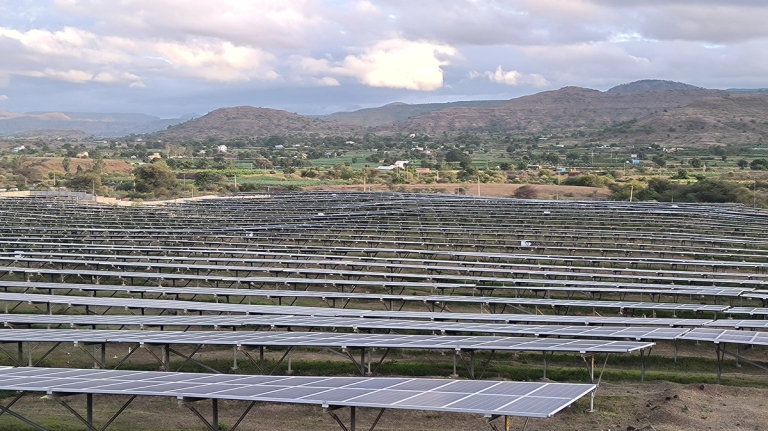
Local farmers previously suffered from power outages and high electricity prices, leading to poor crop yields and food insecurity, threatening their livelihoods. The project activities help bridge the gap between demand and supply at reasonable rates for farmers, thereby increasing agricultural production in the region and improving living conditions. Throughout construction, operation, and maintenance, the initiative has created job opportunities and enhanced the quality of life for the local population.
Due to the project's significant contributions to climate change mitigation and sustainable development in the region, it meets the stringent requirements of the Gold Standard.
You can find more information about the project on the Gold Standard’s website.
We are also participating in a 200MW solar power project aimed at producing electricity using a renewable energy source and selling the generated power to the national grid. The project replaces human-induced greenhouse gas emissions, estimated at approximately 393,905 tCO2e per year, and displaces 420,480 MWh/year of electricity from the energy mix of power plants connected to the Indian grid, which is primarily dominated by thermal/fossil fuel-based power plants.
You can read more about the project on Gold Standard's website below.
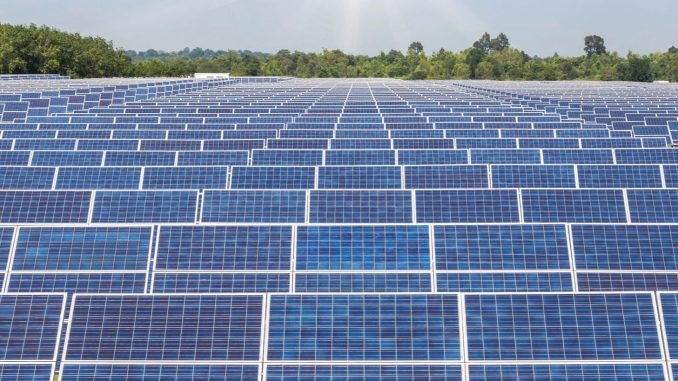
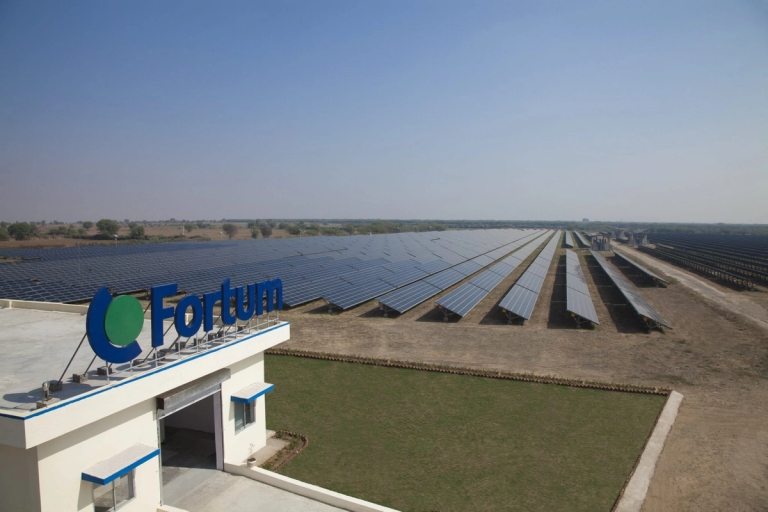
The third solar project we are participating in is located in the vibrant village of Thirumani, Tehsil-Pavgada, in Karnataka's Tumkur District. This project features state-of-the-art 100 MWp solar technology. The clean electricity generated here is seamlessly exported to the Indian grid and sold to the Karnataka State Electricity Board through a power purchase agreement. By reducing greenhouse gas emissions by an impressive average of 215,400 tCO2e annually, this project not only contributes to combating climate change but also significantly aids in the sustainable development of the host country.
You can read more about the Solar Power Project by Fortum FinnSurya Energy Pvt Ltd here.

Contact
IngenCO2.dk
Inge Lehmanns Gade 10, 6. sal
8000 Aarhus C
Denmark
info@CO2neutralwebsite.com
© 2025 Websites Supporting Climate Projects. All rights reserved.